

How to Prepare for the Citizenship Test
Written by Emma Barela

Applying for U.S. citizenship can be both exciting and nerve-wracking for prospective citizens. One of the most common concerns is the naturalization test.
What will they ask? How hard is it? What happens during the interview?
Fortunately, the test is structured, predictable, and easy to prepare for. With the right approach and reliable study materials, most applicants succeed.
The citizenship process includes three main components: a review of your application (Form N-400), an English test, and a civics test. According to U.S. Citizenship and Immigration Services, the English portion evaluates your ability to read, write, and speak basic English, while the civics portion tests your knowledge of U.S. history and government. During the interview, a USCIS representative or officer will first place you under oath before reviewing your N-400 application. This is to ensure the information presented and documented is consistent and up to date. They may ask about your travel history, employment, taxes, or any “yes/no” eligibility questions. Reviewing your application carefully before the appointment is one of the most important preparation steps that can be taken.
After the application review, the English and Civics test proceeds. The English portion of the test will include both reading and writing portions, requiring one sentence to be read aloud and one sentence to be written down. The sentences are simple and drawn from official vocabulary lists provided by USCIS.
The civics test is often what applicants worry about most, but it is very straightforward. USCIS publishes a list of 100 possible civics questions and answers. During the interview, the officer will ask up to 10 questions from that list, and you must answer at least 6 correctly to pass. Because the questions come directly from the published list, memorization and repetition are effective study methods.
Officers are trained to evaluate whether you have a basic comprehension of the U.S. government and history. Listening to the provided questions aloud can help improve retention and help with pronunciation. Exemptions exist for applicants who are above a certain age and have a long period of permanent legal residency. This may qualify some for an English exemption and allow them to take the civics exam in their native language. Additionally, individuals with a certain medical disability may qualify for a waiver by submitting an N-684 Form.
On the day of the interview, it is important to bring the appointment notice, green card, state ID, passport(s), and/or any additional documents listed in the notice. Arriving early and dressing neatly aids the success of the applicant's interview. 725 Dream believes that access to opportunity should never depend on fear of paperwork or uncertainty about a process. Preparing for the citizenship test is one step toward long-term stability, and we help by providing civic exam preparation workshops, access to English material, and more. Whether through guidance, educational resources, or community support, our goal is to help individuals move from possibility to achievement.
What Happens After You Become a U.S. Citizen?
What Does It Take to Become a U.S. Citizen?
Written by Emma Barela
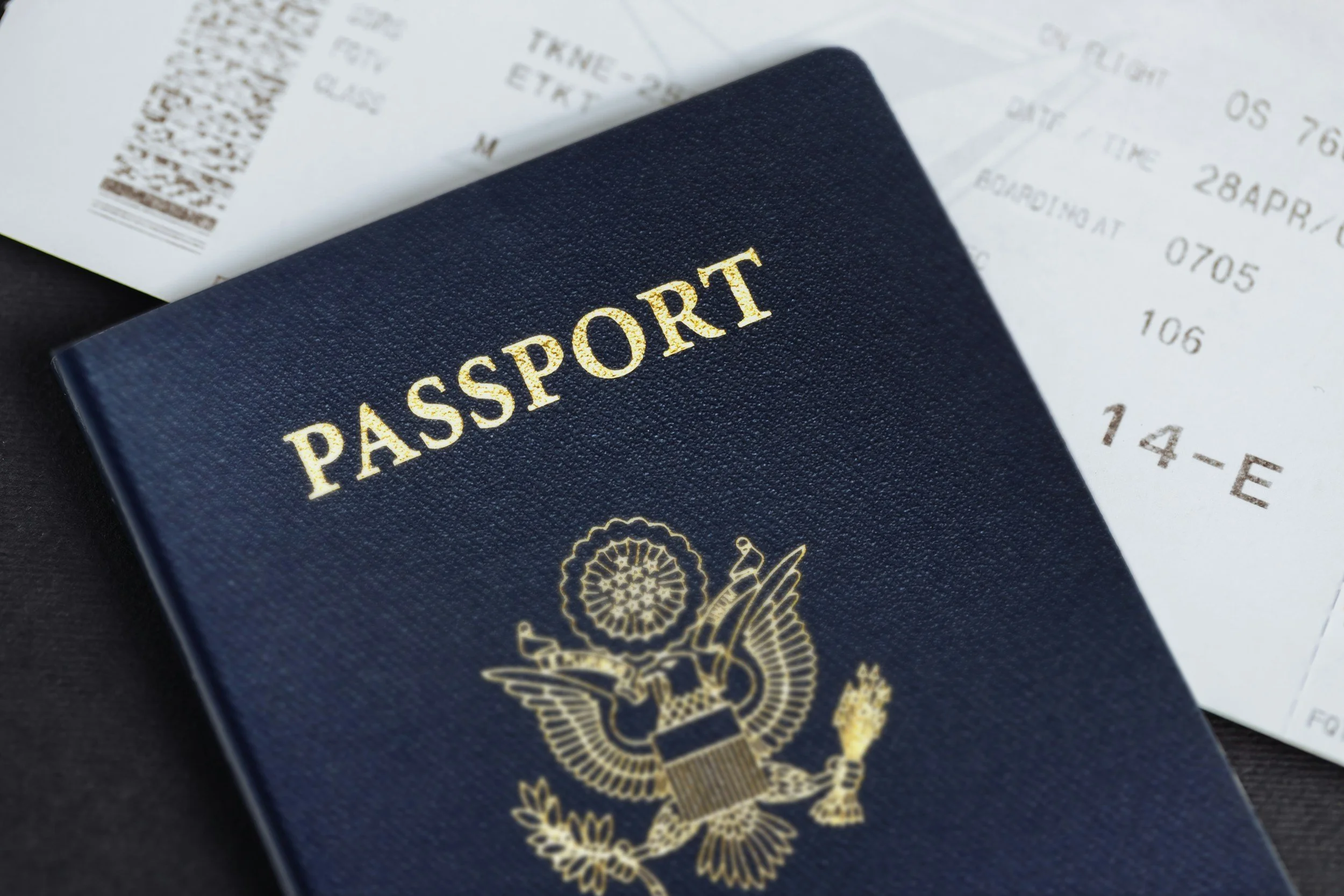
Naturalization is not the end of the citizenship pathway. For many new Americans, the Oath of Allegiance ceremony marks the end of a long immigration journey, but it also signifies a new chapter full of rights, responsibilities, and opportunities. Several important steps come next, and understanding them will help citizens fully embrace their new role in the United States.
The primary responsibility of every new citizen is the care of their Certificate of Naturalization. This official document should be kept in a secure location and used only when necessary. To apply for a U.S. passport, update records, or verify citizenship status, government offices require the original document or an official copy. For many, applying for a U.S. passport is the next major step.
A passport is the most widely accepted and convenient proof of citizenship. A part of this process is submitting a naturalization certificate with the application, along with other required documents. Since the naturalization certificate must be submitted along with an application, it is crucial to complete this early to receive the document back quickly and travel freely.
Becoming a U.S. citizen also opens important opportunities for families. One of the biggest changes is the ability to sponsor certain relatives more quickly and with far fewer restrictions. U.S. citizens can petition for their spouses, minor children, and parents without waiting for annual visa requirements. In some cases, children under 18 may automatically become U.S. citizens through the Child Citizenship Act. These changes make the naturalization process not just a milestone for one individual but for the family as well.
While becoming a citizen is new, tax obligations remain about the same and become permanent. Just like permanent residents, U.S. citizens must report and pay taxes on their worldwide income, no matter where they live or work. This includes filing an annual U.S. tax return with the IRS about external income in another country. Tools such as the Foreign Earned Income Exclusion are available to citizens to offer some protection for those living overseas.
Naturalization opens the door to a new life in the United States, but the process leading up to that moment can feel overwhelming. 725 Dream exists to make that journey clearer and more accessible. From understanding eligibility to preparing for the interview and test, our mission is to guide you every step of the way with clarity and care. If you or someone you know is beginning the citizenship process, 725 Dream is here to support you because no one should have to navigate the path to becoming a U.S. citizen alone.
What Does It Take to Become a U.S. Citizen?
What Does It Take to Become a U.S. Citizen?
Written by Emma Barela
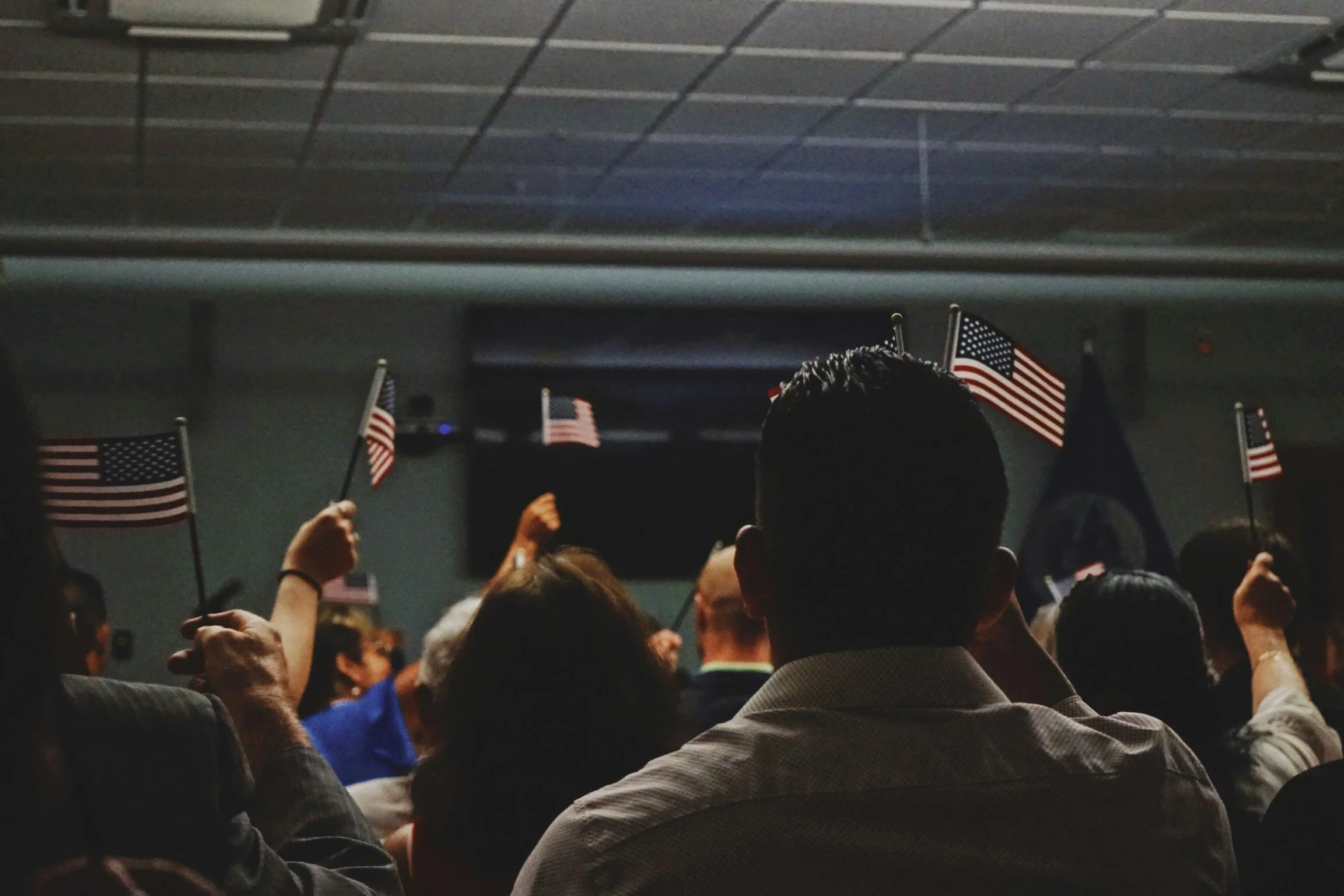
For those born in the United States, citizenship is granted automatically without a lengthy process. However, for millions of lawful permanent residents and incoming immigrants, the process is both extensive and expensive. The path to citizenship requires years of waiting, hundreds of dollars in fees, and the perseverance to navigate a system that is often confusing and unpredictable. Understanding what it takes to become a U.S. citizen equips future citizens with the skills and knowledge they need to make the process easier.
Eligibility is the first step. Most applicants must be lawful permanent residents for at least five years; however, those married to a U.S. citizen only require three. Next will be completing an N-400 Form, the application for Naturalization. This application asks for a detailed account of one’s life history: employment, travel, residence, and character. However, the biggest feat is the costly application fees. The current fee for physical filing starts at $760. This excludes external costs like travel or legal assistance. Fee waivers do exist; however, they require extensive documentation of hardship, with many applicants not qualifying. This is extremely difficult and overwhelming for those who are already living paycheck to paycheck, creating a need for financial assistance for this process.
Even once the application is filed, the process is far from over. Applicants are scheduled for biometrics, where fingerprints and photos are taken, and then move on to the most daunting stage: the naturalization interview. Here, a USCIS officer tests both English proficiency and knowledge of U.S. history and government. For older applicants or those with limited English, the test can be a real stumbling block. According to the New Americans Campaign, language and civics requirements remain among the most common reasons people delay applying altogether.
Delays are common for both the interview process and the oath ceremony. Applicants can wait a year or more depending on the field office. Policy changes can also increase or impact the wait time. Recent proposals like “neighborhood checks” for applicants were introduced under the current administration, showing how naturalization requirements can easily shift with each administration.
Despite these barriers, the desire to naturalize is still present. In 2024, over 800,000 immigrants became U.S. citizens; however, eligible applicants cannot foot the bill for the process.
Recognizing the realities of this process is one small way to help applicants honor the commitment of citizenship and to ensure that the promise of citizenship remains within reach.
725 Dream exists to bridge the gap between eligibility and opportunity. We help eligible prospective citizens overcome financial and informational barriers on their path to citizenship by covering their N-400 and biometrics fees, providing legal assistance through our partnered law firm, Kan Law, and hosting workshops to prepare applicants for the Civics Test. By removing these barriers, we strive to make the journey to citizenship more accessible, empowering individuals to fully participate in the communities they call home.